The Ten · Fresh Air
Fresh air is one of the simplest medicines there is.
We breathe about 20,000 times a day, mostly indoors, mostly without thinking about it. The quality of that air matters more than most people realize. Improving it is often as simple as opening a window.
Book a Consultation →What This Is
Fresh air means two things: getting outdoors into clean, moving air, and keeping the air indoors, where we spend most of our lives, well ventilated. Both were once considered basic to good health. Modern research says they were right.
What the research shows
Stale air is measurable, and so is what it does.
Sleep. Danish researchers had students sleep in their own dormitory rooms with the window closed or with a quiet fan bringing in outside air whenever carbon dioxide rose. With the window shut, CO2 climbed to two or three times the outdoor level overnight. With fresh air, the students fell asleep faster, slept more efficiently on wrist monitors, woke feeling more rested, and did better on a logic test the next day (Strøm-Tejsen, Indoor Air 2016). An open bedroom window costs nothing and may help you sleep.
Thinking. A Harvard team put office workers in a sealed test office for six days and quietly changed the air each day. On the day CO2 sat around 950 parts per million, a level common in offices and classrooms and considered acceptable, scores on decision-making tests were 15% lower than on well-ventilated days. At 1,400 ppm they were 50% lower. The workers did not know which day was which (Allen, Environ Health Perspect 2016).
Infection. Moving fresh air through a room dilutes and removes the particles that carry colds, flu, tuberculosis, and COVID-19. This is settled: the tuberculosis sanatoria of a century ago were built around it, and the pandemic made it public health policy again. Airing out a sick person's room is sound advice.
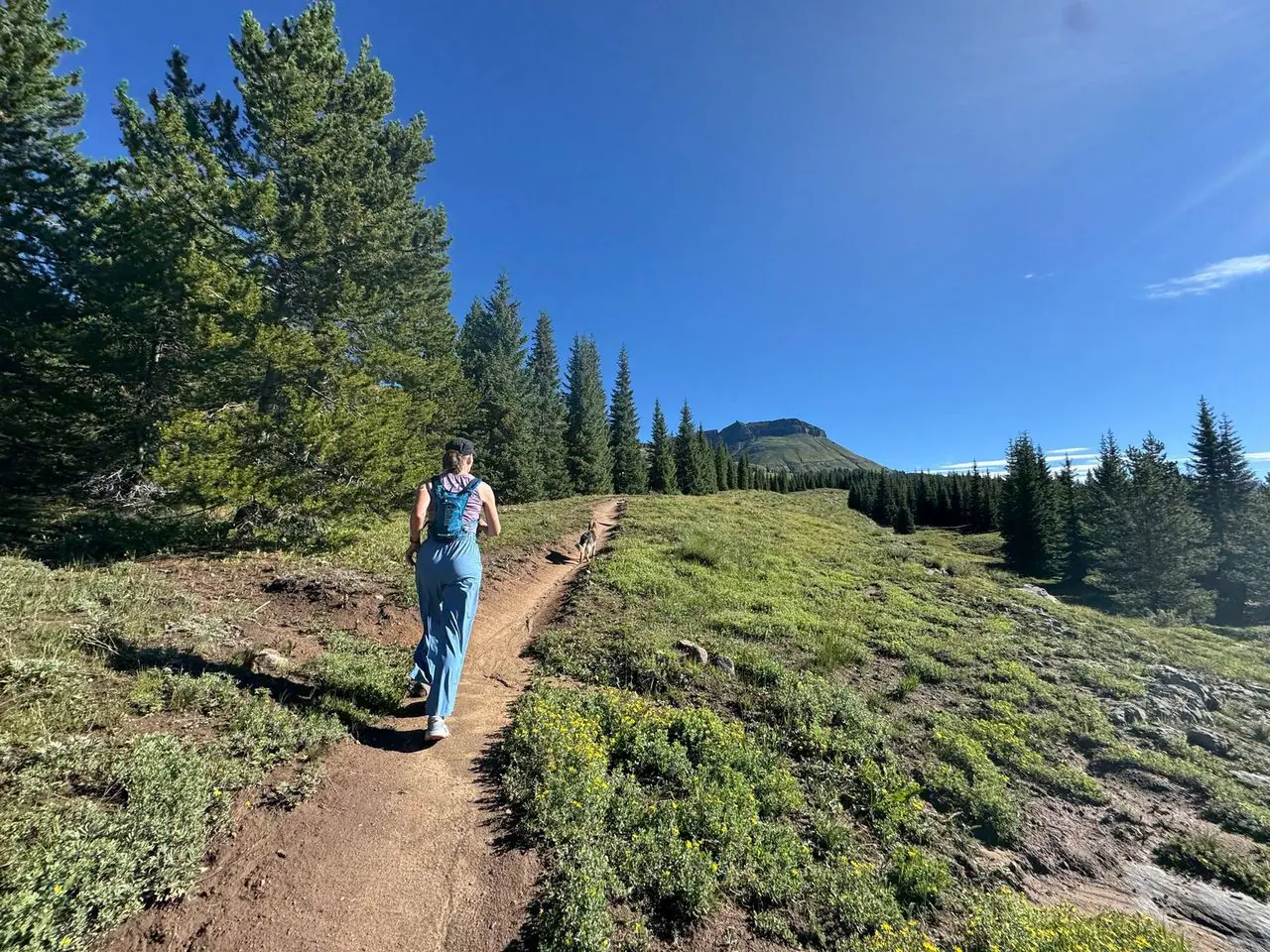
Being outdoors. A review of 143 studies found that people with more time in green space had lower cortisol, lower heart rate, lower blood pressure, less type 2 diabetes, and lower death rates from all causes and from heart disease than people with the least. Most of that evidence is observational, and green space brings movement and sunlight with it, so the air is only part of the story. Getting outside is still well worth doing (Twohig-Bennett, Environ Res 2018).
Breathing itself. Shallow, cramped breathing, often from hunching over a desk, means less air moving and more fatigue. Good posture and full, slow breaths let the lungs do their job. Slow breathing also settles the nervous system, which is why it shows up in nearly every stress-management method.
How I use it
Fresh air is one of the easiest changes to make and one of the least used. Depending on your situation, it may mean opening the bedroom window at night, getting outdoors every day, improving ventilation where you live and work, or learning to breathe more fully and sit with better posture.
The right approach depends on your climate, your air quality, and your health. In some places and seasons, smoke, pollution, pollen, or noise have to be accounted for, and sometimes a filter does what a window cannot. We find what fits your life.

What is possible
None of this is complicated or expensive. Fresh air helps with the things the body is already trying to do, like sleeping well, fighting off infection, and thinking clearly. It is an easy place to start, and it helps every other change along.
Where This Leads
Fresh air goes naturally with the other outdoor remedies. A morning walk gives you air, light, and movement all at once.